A prediction of the future of fashion concerning sustainability and ethics
The most environmentally friendly product is the one you didn’t buy
— Joshua Becker
Currently in Australia, we are one of the top waste producers in the world. Yes, you read that right, we are really good at something, but it’s ruining our waterways, ocean and Earth. According to the ABC, Australians are throwing away 6000kg of fashion and textiles waste every 10 minutes. Along with this, the majority of garments are made of synthetic fibres which take over 1000 years to biodegrade. Over 11,000 scientists have signed a declaration of global climate emergency agreeing that if changes aren’t put in place, humans could endure extreme suffering. Adding to the devastating effects we’re having on the environment, there is an unearthing of ethical dilemmas in the fashion industry. Since most clothing production is now outsourced to south-east Asia, we have become separated from the effects of what is now known as modern-day slavery. It’s not typical slavery as was in the past, it’s a slavery that traps women, children and families in cycles of poverty. This modern-day slavery causes our clothes to be cheaper while the people who make our clothes don’t earn enough to support their families.
What does the future of fashion look like for these people?
Presently there is a movement of brands pledging to source their clothes ethically, and many more who use their fashion businesses as a way of actually helping small communities. A personal favourite, Outland Denim, rescues women from sex-slavery and teaches them to sew. Each pair of jeans is sewn individually rather than one seam by one person, and the next seam by the person down the production line. This creates not only a source of income for these women, but it also gives them a purpose and something to be proud of.

Thinking forward into the future, I would love to see more initiatives similar to Outland Denim, where you can see the person who made your garment, and actually buy something that will last after six wears. I am extremely skeptical about the realization of this, however, and until extreme personal changes are brought around for us lucky enough to live in a first world country, I don’t believe much will change. The only other way I could see a decent enough change actually happening would be if we were refused democracy and became a dictatorship again with someone who held these values. That’s too extreme, I know, but this is how desperate the situation is.
So let’s think about the Earth
Some of the key things we need to consider are dyeing techniques, natural and sustainable fibres and the reuse of clothes.
In terms of dyeing clothes, sure, synthetic dyes are awesome but natural dyes are obviously better. They can lose their colour, but they also don’t hurt waterways and cause bad diseases in fish, which we coincidentally catch and eat.
Now, let’s think about natural and sustainable fibres. I hear you, I hear you, cotton sucks. It’s causing extreme amounts of suicide among farmers and uses way too much water to be a viable option. So, what then? Hemp fabric. Consider this, hemp fabric needs no pesticides, uses a minimal amount of water AND is easily turned into a yarn. Denmark grows a nice amount of hemp in Greenland and I have been lucky enough to source some of this fabric and can confirm its amazing textural qualities.
Thinking future forward, we should literally try to use only linen, hemp and wool fabric as new fibres, and we should continue to reuse our synthetic fibres. A great initiative of this is Econyl, a company that recycles old ocean waste (particularly fishing nets) into nylon. Other companies, such as H&M have programs where you can bring in your old clothes and they’ll recycle the fibres and turn them into new clothes, however, they only recycle around 0.7% of their garments because they often have blended fibres which are weak and cannot be reused.
Wow, this sucks right?
It’s not looking so awesome now.
As consumers, sure, we have the ability to “vote” with our money to hopefully inflict change for the better. But where is the humanity from within these large corporations to put in changes that will help the future? Where is their leadership to take charge and action?
Change can’t happen in 2023 or 2025. It needs to happen now.
If things don’t change, here’s what I predict of the fashion industry:
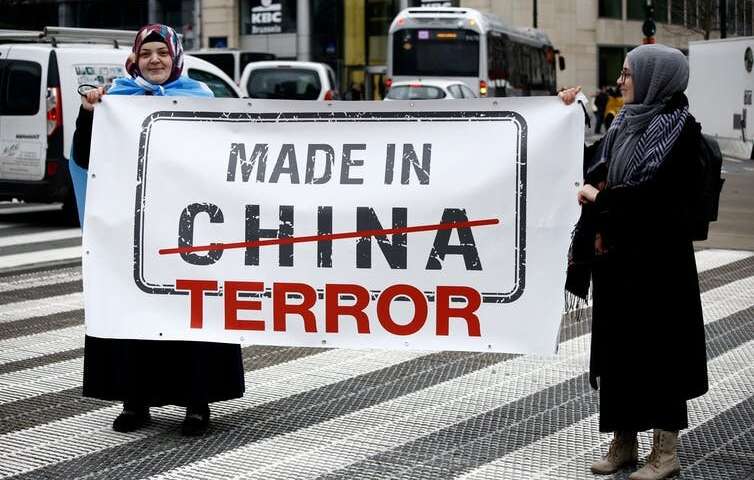
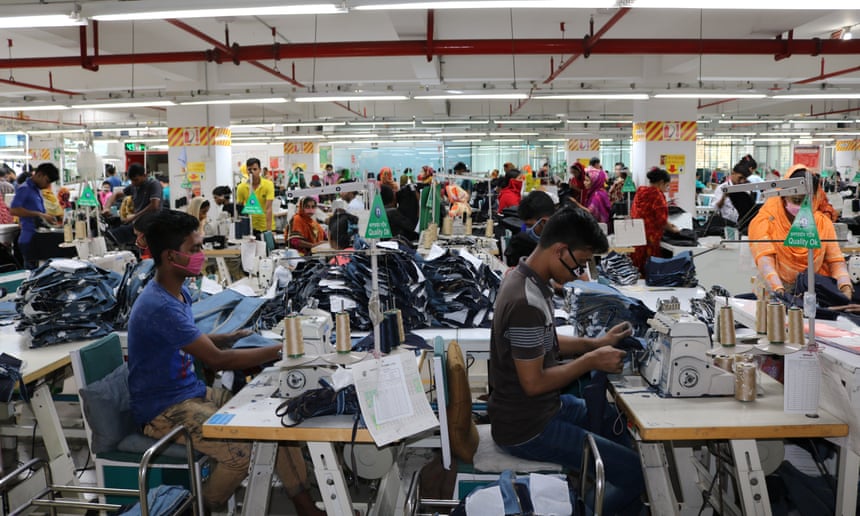
It’s 2030, a truly disposable fashion industry is at its peak. Every week new styles are in store to make people buy more clothes they don’t need. They continue to throw out clothes they’ve never even worn. But now, there’s so many plastic islands in the ocean you can’t even count them all. And there’s so much fabric in them. The Earth’s weather has become so intense and extreme the forests and bushlands groan with sadness for the conditions they’ve endured. Another factory has collapsed in south-East Asia with all the workers in it. Every other garment worker is now trapped in concentration camp conditions (this is actually already happening in China, but people don’t really want to know about that). Your sister-in-law went on a holiday to China and since she was carrying a bible with her, they detained her and she is now forced to work in the sewing production lines. Day after day.
Does anyone care?
So long as we can’t see the problem at our front doors, it doesn’t seem to exist.
See my pinterest board for more articles/ideas on sustainable and ethical fashion
 EcoEve